
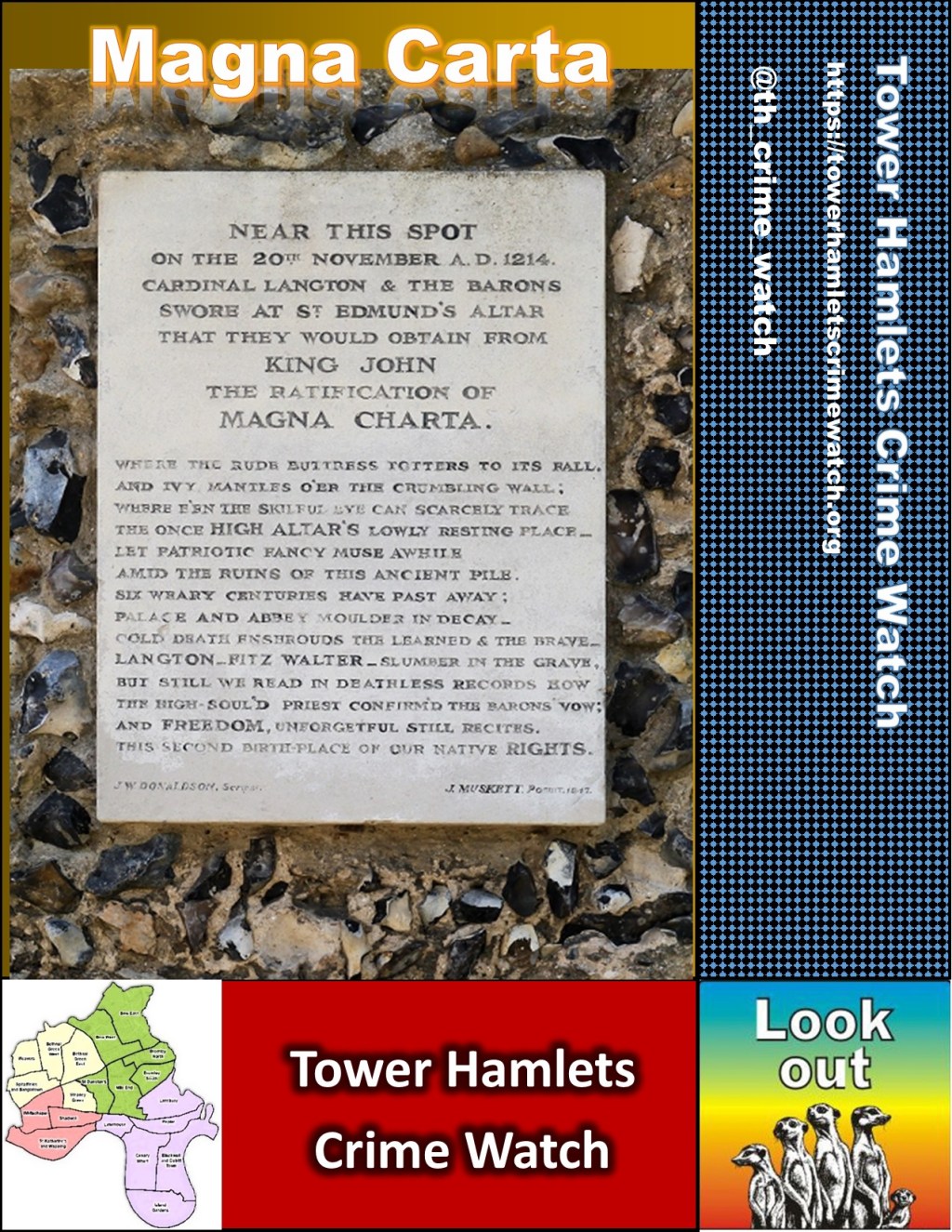
No one is above the law.
It was originally sealed by King John on 15. June 1215 and this year has it’s 809. anniversary.
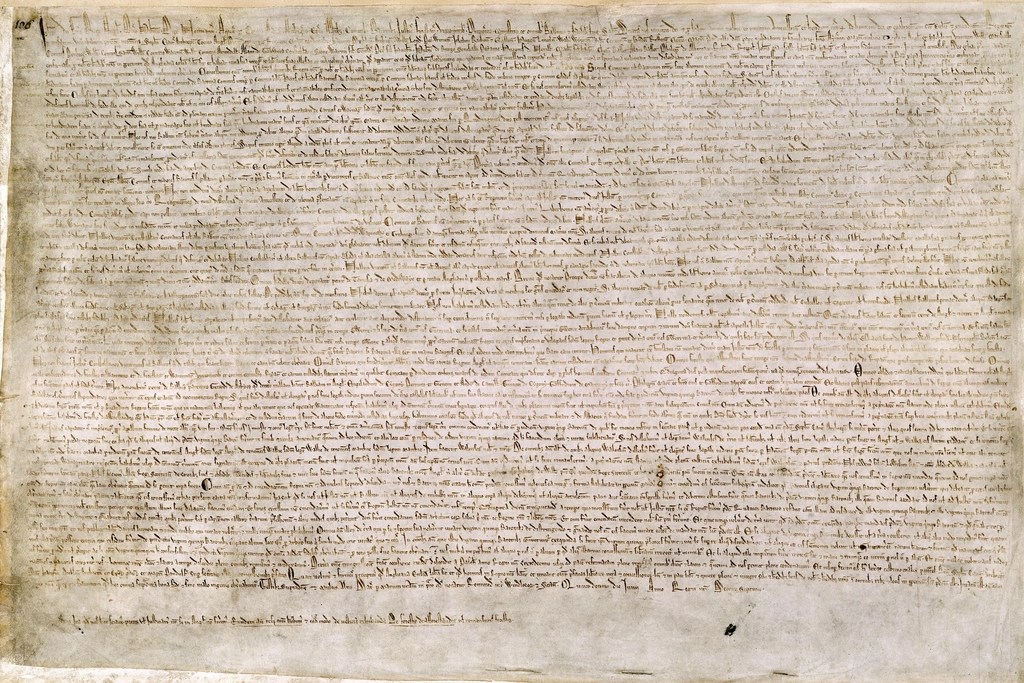
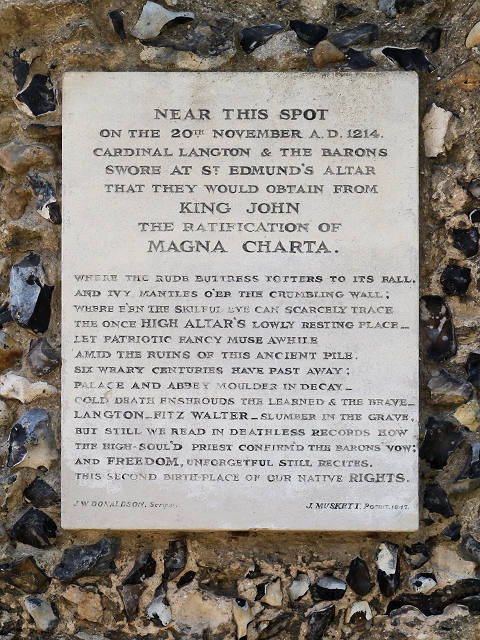
Whilst on 20. November 1214 Cardinal Langton & the Barons, swore at St. Edmund’s altar, they they would obtain the ratification of the Magna Carta.
See the BBC Newsround overview of the process and meaning of document.
The context of this document is quoted today again by those contesting the issue of leasehold and free hold and service charges. It has achieved a revival in modern times.
Issues like the cladding scandal and associated costs are related to this matter.
The Magna Carta is a document signed by King John of England in 1215. It established the principle that everyone, including the king, was subject to the law1. Some of the main rules of the Magna Carta include21:
- Someone accused of a crime could not be imprisoned or punished without having a fair trial first.
- The king could not raise new taxes unless he had the agreement of the barons.
- A council of 25 barons was set up to ensure the king followed the rules the charter put in place.
- No freeman shall be arrested or imprisoned without a proper trial.
- The king will immediately return all hostages taken.
- The barons could choose who inherited their land, not the king.
- The king cannot fine or imprison a free person without a good reason.

 Tower Hamlets Crime Watch
You must be logged in to post a comment.