

0300 123 2040

choose from Micro and Tabletop exercises.
Stop Think Fraud
Nobody is immune from fraud. The criminals behind it target people online and in their homes, often emotionally manipulating their victims before they steal money or personal data.
But there is something we can do. By staying vigilant and always taking a moment to stop, think and check whenever we’re approached, we can help to protect ourselves and each other from fraud.
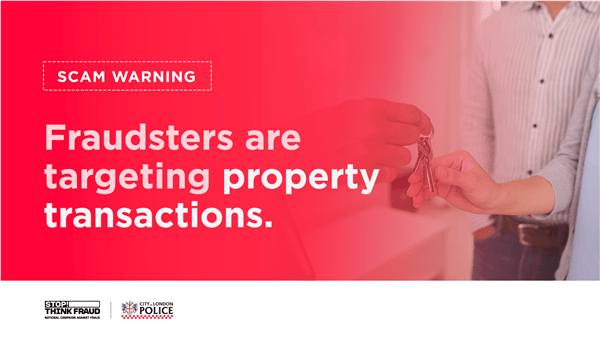
Conveyancing or payment diversion fraud
Between 1 April 2024 and 31 March 2025, 143 cases of conveyancing fraud were reported to ReportFraud, resulting in £11.7 million in losses. The vast majority involved residential property transactions, accounting for 140 reports and £10.97 million in losses, with an average loss of £78,393 per case. Although less frequent, commercial property fraud proved even more costly per incident, with 3 reports totalling £773,500, averaging £257,833 each.
Monthly losses peaked in March 2025, with nearly £2 million reported. Other high-loss months included October and December 2024, each exceeding £1.2 million. Victims were predominantly individuals aged 30 to 49, with both men and women affected. Reports came from across the UK, with higher volumes in London, Greater Manchester, West Yorkshire, Sussex, and Essex.
Register with CIFAS for protection
New rules on claiming losses from your bank from 7. Oct. 2024
See the link to the TSB publication, same for all banks.
- Banks have to refund eligible fraud claims up to a maximum of £85,000
- Banks can set an excess of up to £100 per fraud claim for the customer to pay. TSB won’t apply this excess
- If your claim is approved, the bank will put your money back in your account within 5 business days
Customer eligibility criteria apply.
National Crime Agency NCY Fraud and Cybercrime Communications Toolkit download here
Fraud Protection toolkit digital
- advanced fee and investment fraud
- Courier fraud
- Ghost broker
- Other consumer – non investment fraud
- Romance fraud
Get Safe online
click through for content.
Cybercrime summary
Public WiFi and fake hotspots, research
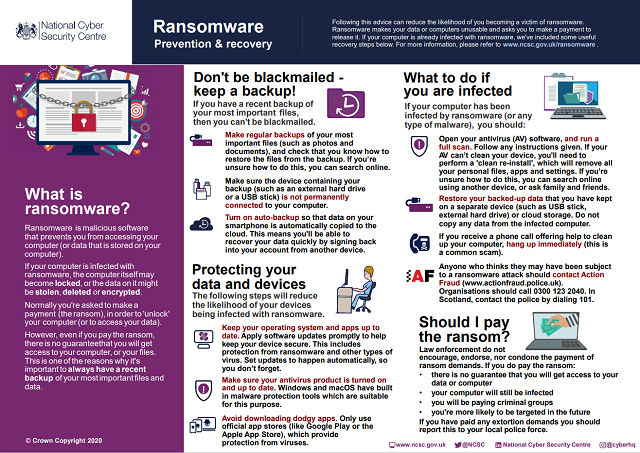
Many criminals specialise in defrauding unsuspecting victims of Cybercrime.
Phishing and fake texting are other methods as well as phone call scams.
Emails often look completely genuine as the fraudsters use genuine pictures to pretend.
For phishing forward emails to report@phishing.gov.uk
for tax related phishing email: phishing@hmrc.gov.uk
It’s been four years since Friends Against Scams launched with the aim of spreading awareness of scams! Time to make some noise about scams and equip as many people as possible with the knowledge to protect others. Every Friend Against Scams makes a difference –so what are you waiting for? Join in. Spread the word. Protect others. #ScamAware
Sign up for the National Trading Standards Newsletter published by Buckinghamshire & Surrey Trading standards for national up-dated.
Police have published a series of Little Fraud Books for the various scams available please click through to read them all here
impersonation-scams-newsletter
Regions hardest hit by Cybercrime


 Tower Hamlets Crime Watch
Leave a reply to Cyber crime – Tower Hamlets Neighbourhood Watch Association Cancel reply